319397
Książka
W koszyku
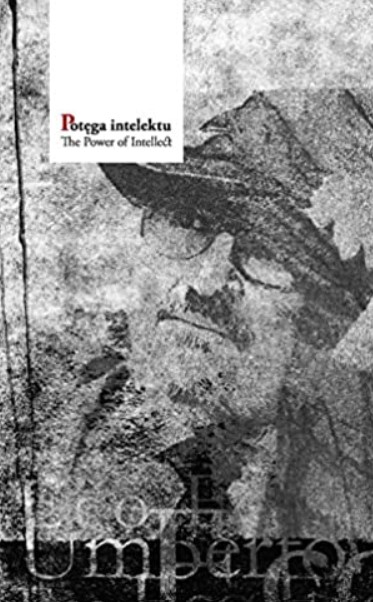
Z treści: Gałkowski A.: Prolegomena s. 13-16; Turkowska Katarzyna: Koncepcja artystyczna książki "Potęga intelektu" s. 17-27; Cz. 1: Nadanie tytułu doktora honoris causa Uniwersytetu Łódzkiego profesorowi Umberto Eco s. 33-159; Cz. 2: Studia. Pelc Jerzy: The feeling of non-understanding s. 165-173; Żaboklicki Krzysztof: Umberto Eco - the novelist s. 175-184; Gazda Grzegorz: Eco - our contemporary s. 185-196; Serkowska Hanna: In jest and in earnest: an erudite and a master of wit s. 197-210; Wasilewska Anna: Is it only the "name"? s. 211-214; Jung Elżbieta: Footnotes to "Il nome della rosa" s. 215-238; Woźniak Monika: The function of paratextual elements in Umberto Eco's "The name of the rose" and "Foucault's pendulum" s. 239-258; Ugniewska Joanna: La traduzione tra fedelta, negoziazione e perdita in "Dire quasi la stessa cosa" di Umberto Eco s. 259-268; Markowski Michał Paweł: A theoretician becomes a writer (Umberto Eco and the secret of double discourse) s. 269-289; Pietrych Krystyna: Olga Tokarczuk's "Księgi Jakubowe" and Umberto Eco's art of novel-writing s. 291-306; Miller-Klejsa Anna: Umberto Eco's close encounters with the silver screen. Films in the essays and columns of the author of "Foucault's pendulum" s. 307-321; Czerwińska Jadwiga, Budzowska Małgorzata: Intersemiotic translation of the ancient myth in the production of "Phaedra" by Maja Kleczewska s. 323-348; Kopytowska Monika: Mediating reality: some reflections on new media and Eco's "authentic fake" s. 349-361; Romecka-Dymek Sylwia: Dimensions of fashion: between beauty and ugliness s. 363-376; Soliński Wojciech: From "Polanos de Polunia" to Sybilla Jasnorzewska, from Nicolaus Copernicus to Wisława Szymborska. Polonica in the works of Umberto Eco s. 377-391; Kaczmarek Tomasz: "On ne peut pas éviter d'écrire simplement parce qu'il y a des imbéciles!", ou la récéption des oeuvres d'Umberto Eco sur les sites catholiques en Pologne s. 393-407; Stalmaszczyk Piotr: Kant and the Platypus and Umberto Eco (and philosophy of language) s. 409-423; Wąsik Zdzisław: The semiotic self at the crossroads of culture and nature s. 425-449; Cap Piotr: Umberto Eco and the "unbearable lightness" of genre interpretation s. 451-462; Załęska Maria: La semplicita a la semplificazione: fra l'ideologia e la retorica s. 463-486; Gałkowski Artur: I meandri dell'Eco-onimia s. 487-501; Wasilewska Anna: Umberto Eco: "Dire quasi la stessa cosa. Esperienze di traduzione", Bompiani, Milano 2003. A review s. 503-505; Osmólska-Mętrak Anna: Se non ci fosse Umberto Eco... s. 507-508; Cz. 3: Umberto Eco: bibliografia polska do 2013: Brzozowska Aleksandra, Milewska Paulina, Kowalska Marzena: Wstęp s. 513-519; Bibliografia podmiotowa [1967-2013] s. 523-539; Bibliografia przedmiotowa [1960-2013] s. 541-570
Strefa uwag:
Adnotacja wyjaśniająca lub analiza wskazująca
Z treści: Gałkowski A.: Prolegomena s. 13-16; Turkowska Katarzyna: Koncepcja artystyczna książki "Potęga intelektu" s. 17-27; Cz. 1: Nadanie tytułu doktora honoris causa Uniwersytetu Łódzkiego profesorowi Umberto Eco s. 33-159; Cz. 2: Studia. Pelc Jerzy: The feeling of non-understanding s. 165-173; Żaboklicki Krzysztof: Umberto Eco - the novelist s. 175-184; Gazda Grzegorz: Eco - our contemporary s. 185-196; Serkowska Hanna: In jest and in earnest: an erudite and a master of wit s. 197-210; Wasilewska Anna: Is it only the "name"? s. 211-214; Jung Elżbieta: Footnotes to "Il nome della rosa" s. 215-238; Woźniak Monika: The function of paratextual elements in Umberto Eco's "The name of the rose" and "Foucault's pendulum" s. 239-258; Ugniewska Joanna: La traduzione tra fedelta, negoziazione e perdita in "Dire quasi la stessa cosa" di Umberto Eco s. 259-268; Markowski Michał Paweł: A theoretician becomes a writer (Umberto Eco and the secret of double discourse) s. 269-289; Pietrych Krystyna: Olga Tokarczuk's "Księgi Jakubowe" and Umberto Eco's art of novel-writing s. 291-306; Miller-Klejsa Anna: Umberto Eco's close encounters with the silver screen. Films in the essays and columns of the author of "Foucault's pendulum" s. 307-321; Czerwińska Jadwiga, Budzowska Małgorzata: Intersemiotic translation of the ancient myth in the production of "Phaedra" by Maja Kleczewska s. 323-348; Kopytowska Monika: Mediating reality: some reflections on new media and Eco's "authentic fake" s. 349-361; Romecka-Dymek Sylwia: Dimensions of fashion: between beauty and ugliness s. 363-376; Soliński Wojciech: From "Polanos de Polunia" to Sybilla Jasnorzewska, from Nicolaus Copernicus to Wisława Szymborska. Polonica in the works of Umberto Eco s. 377-391; Kaczmarek Tomasz: "On ne peut pas éviter d'écrire simplement parce qu'il y a des imbéciles!", ou la récéption des oeuvres d'Umberto Eco sur les sites catholiques en Pologne s. 393-407; Stalmaszczyk Piotr: Kant and the Platypus and Umberto Eco (and philosophy of language) s. 409-423; Wąsik Zdzisław: The semiotic self at the crossroads of culture and nature s. 425-449; Cap Piotr: Umberto Eco and the "unbearable lightness" of genre interpretation s. 451-462; Załęska Maria: La semplicita a la semplificazione: fra l'ideologia e la retorica s. 463-486; Gałkowski Artur: I meandri dell'Eco-onimia s. 487-501; Wasilewska Anna: Umberto Eco: "Dire quasi la stessa cosa. Esperienze di traduzione", Bompiani, Milano 2003. A review s. 503-505; Osmólska-Mętrak Anna: Se non ci fosse Umberto Eco... s. 507-508; Cz. 3: Umberto Eco: bibliografia polska do 2013: Brzozowska Aleksandra, Milewska Paulina, Kowalska Marzena: Wstęp s. 513-519; Bibliografia podmiotowa [1967-2013] s. 523-539; Bibliografia przedmiotowa [1960-2013] s. 541-570
Pozycja została dodana do koszyka. Jeśli nie wiesz, do czego służy koszyk, kliknij tutaj, aby poznać szczegóły.
Nie pokazuj tego więcej